
AGENAMULCH
Thermoplastic starch-based mulch film range for biodegradable agricultural film applications
AGENAMULCH is AGRANA’s mulch film range based on thermoplastic starch for agricultural use. It is intended for biodegradable mulch films used in crop cultivation where weed suppression, soil protection and operational efficiency need to be balanced with end-of-use practicality. The range is particularly relevant where growers want field performance during the cultivation period and a simpler post-harvest route than conventional polyethylene film systems. Ideal for growing strawberries, cucumbers, pumpkins and many other crops.
Key benefits
- Film application comparable to PE mulch films, supporting familiar field handling and process continuity.
- Easier post-harvest incorporation, reducing collection effort and supporting more efficient field operations.
- Fully biodegradable and PLA-free, aligning material choice with biodegradable mulch film requirements.
- No microplastic residues in the soil, which matters for long-term soil management and circular use concepts.
- Designed for agricultural crops such as strawberries, cucumbers and pumpkins, and many more.
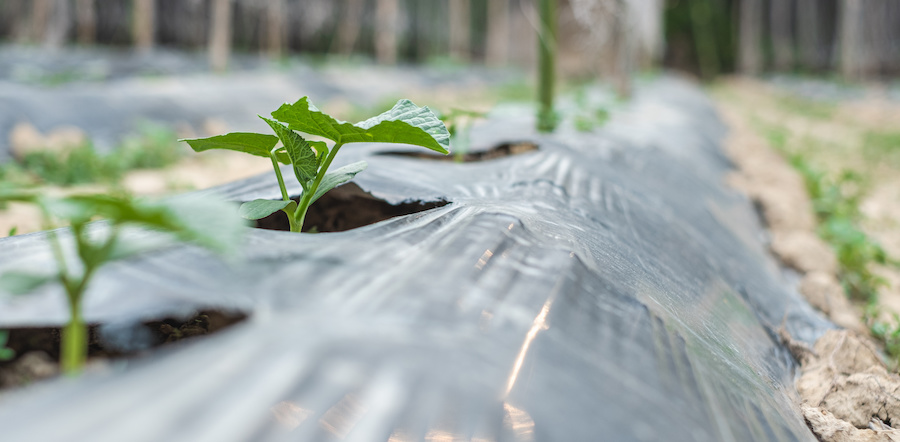
For mulch films, AGENAMULCH is the thermoplastic starch-based solution that supports application in the field comparable to PE films. This matters where existing handling routines should remain practical while the end-of-use concept shifts toward biodegradation rather than collection and disposal.
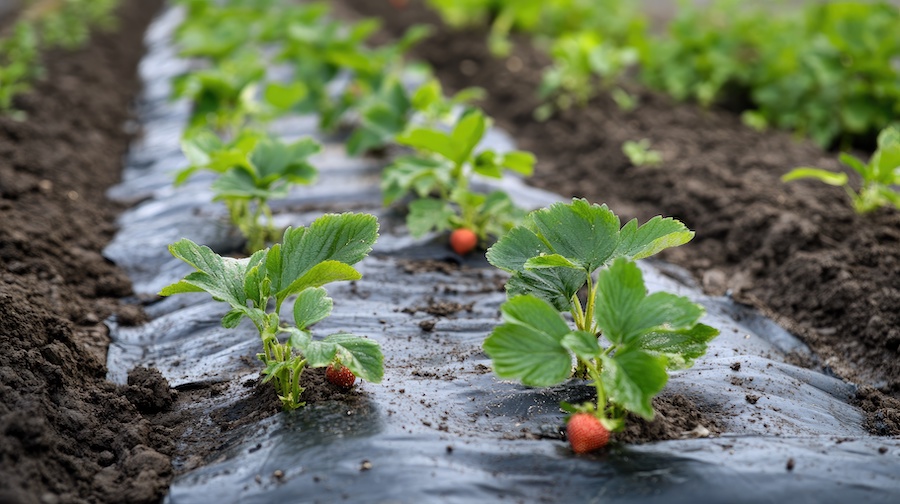
Every crop has its specific requirements where mulch film needs to remain functional over the crop cycle and then be incorporated efficiently after harvesting. AGENAMULCH films are designed for these requirements and are ideal for growing strawberries and cucumbers, but also pumpkins and many other crops.
Technical insights
AGENAMULCH is designed for mulch film applications where field functionality and controlled biodegradation need to work together. In practice, the range supports film handling similar to conventional PE mulch films while removing the need for film retrieval after harvest and helping avoid microplastic residues in soil.
For AGENAMULCH, field stability and degradation behavior are closely linked to film thickness. A thickness range of 10-40 µm is recommended, indicating that formulation and gauge selection should be aligned with the intended crop cycle and required time of use in the field. This makes the range relevant not only as a biodegradable material option, but as a formulation concept that must be tuned to performance duration and decomposition profile under real agricultural conditions.
Stabilization strategy and film design can influence practical field performance. For manufacturers, this means formulation work should consider the interaction between thickness, expected exposure profile and required stability window rather than treating biodegradability as a standalone property.