
AMITROPLAST®
Thermoplastic starch range for bioplastic compounds and flexible processing
AMITROPLAST® is AGRANA’s thermoplastic starch range for bioplastic compounds used in extrusion, film blowing, injection molding and 3D-printing. The range is designed to help compounders increase renewable content, improve biodegradability and adapt compound design to processing and end-use requirements without moving away from established polymer-processing equipment. For processors, that means more room to balance sustainability targets.
Key benefits
- Increases renewable content in bioplastic compound systems
- Supports biodegradable and home-compostable material concepts
- Compatible with standard polymer-processing equipment
- Enables application-specific compound design with corn- and wheat-based options
- Reduces smoke development during film blowing
- Genetically unmodified raw materials
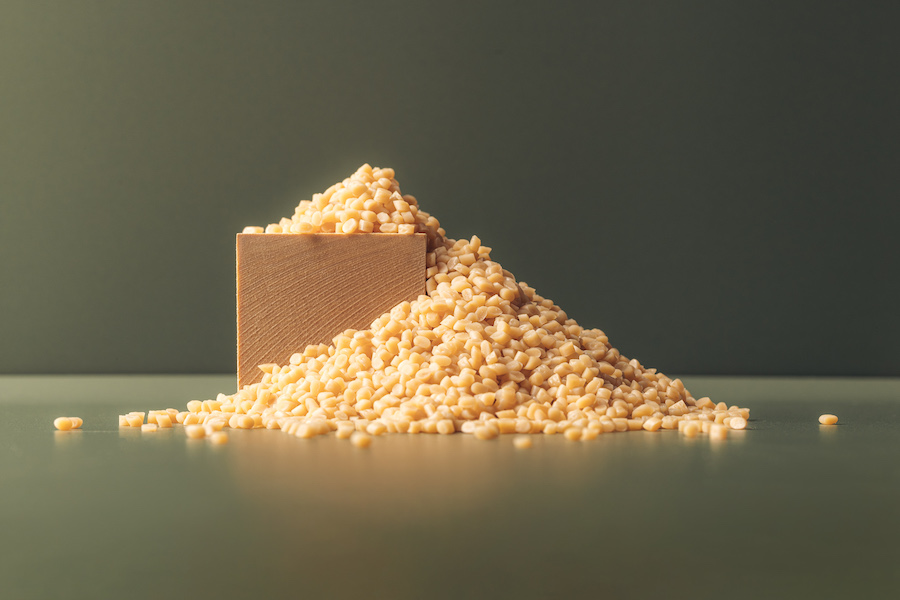
AMITROPLAST is a 100%-biobased ingredient for the formulation of home-compostable biopolymer compounds with a high biobased content for film extrusion, thermoforming and injection moulding.
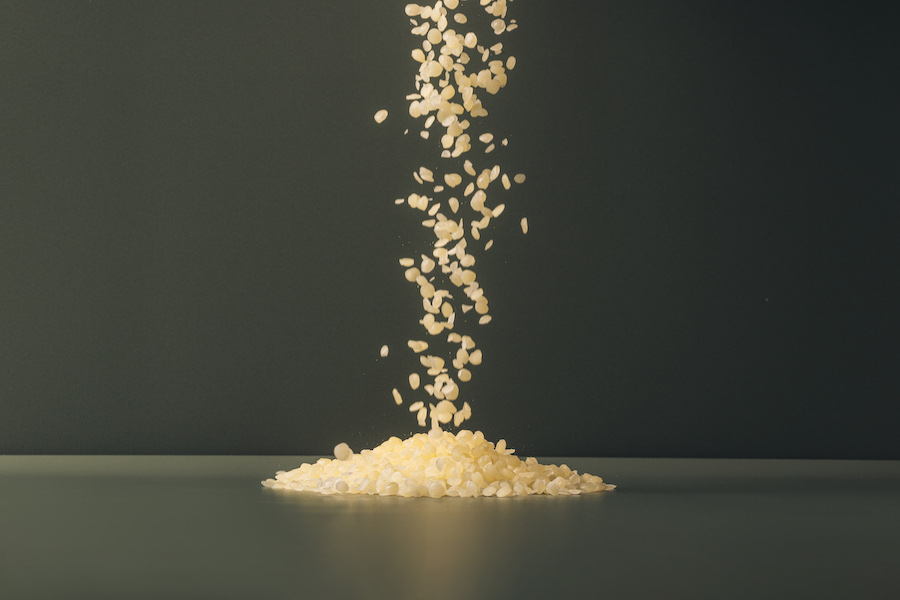
The range can be integrated into compounds for clips, guides, plant pots, cutlery, sanitary items and other molded formats. AMITROPLAST® also opens development paths for starch-based filament concepts and other additive-manufacturing materials.
Technical insights
Processing considerations for compound design
AMITROPLAST® is not used as a stand-alone finished polymer. It functions as a thermoplastic starch component within customized compound systems, where it is combined with biopolymers and other ingredients to balance renewable content, biodegradability, processing behavior and end-product performance for film, molding and additive-manufacturing applications.
The range can be integrated into compound designs aimed at flexible film performance and application-specific property adjustment, for example a 20 µm film concept based on 40% AMITROPLAST® and 60% PBAT.
- Compound architecture is central: performance depends on how AMITROPLAST® is combined with biopolymers and additional formulation components, not on starch selection alone.
- Film performance can be tuned: internal examples show film concepts with significant AMITROPLAST content and application-specific mechanical outcomes.
- Processing stability is relevant: the range is user-friendly and suitable for standard polymer equipment, which supports industrial implementation and scale-up.
- Film blowing benefits from lower smoke formation: the documented process improvement is particularly relevant where line cleanliness and stable operation matter.