
AGENABON High Maltose Syrups


.svg)
.svg)
Saccharification starches that control sweetness, crystallization and texture
AGENABON High Maltose Syrups are liquid starch-saccharification products based on corn that deliver a high proportion of maltose and a controlled sweetness profile. They are formulated to reduce crystallization, moderate perceived sweetness and contribute viscosity and mouthfeel — properties that matter for fillings, hard caramels, gums & jellies and frozen desserts. The range includes variants and an organic option to match formulation and regulatory requirements.
Key benefits
- Low perceived sweetness with substantial maltose content which allows partial replacement of sucrose.
- Strong anti-crystallization behavior for smooth fillings and fondants.
- High viscosity and binding: improves texture, adhesive properties and stability in bars and spreads.
- Improves bite in gels and reduces gloss-loss in jellies by moderating sugar migration.
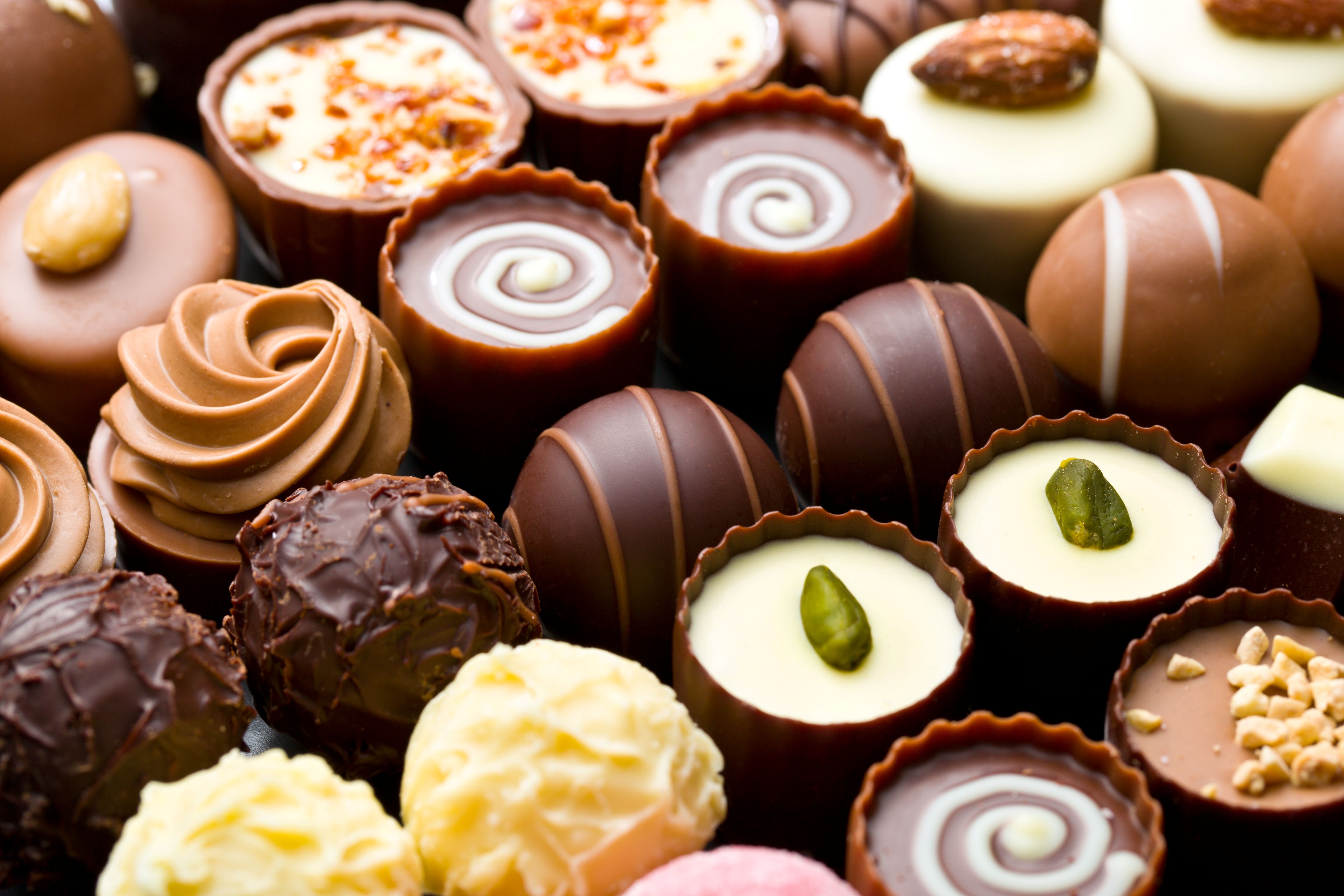
High maltose syrups moderate sweetness of chocolate fillings while providing smoothness and prevention of grainy surface: they help maintain creamy fondants and stable cream fillings where reduced sweetness is desired.
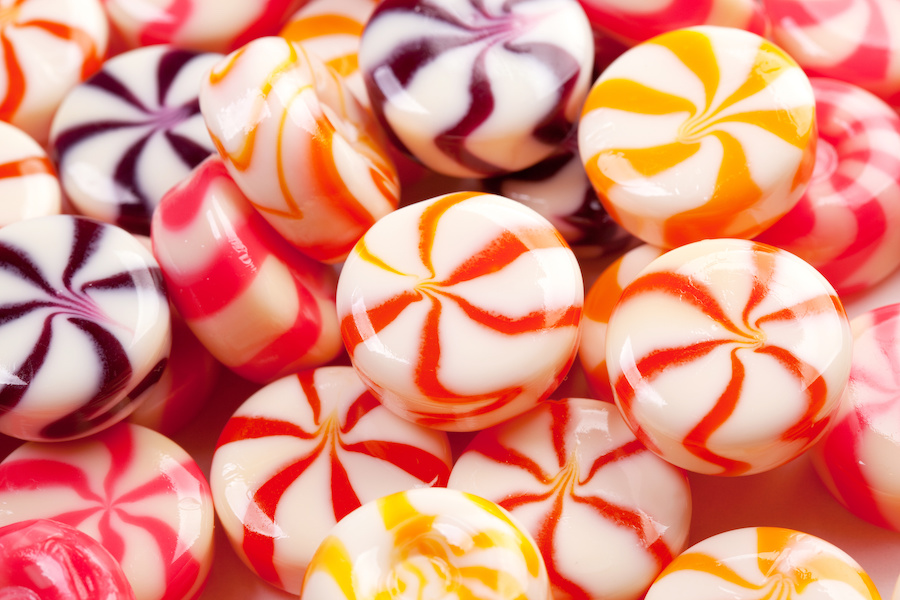
High maltose syrups permit partial replacement of sucrose in hard caramels, lengthen shelf stability and reduce risk of recrystallisation, improving clarity and texture.
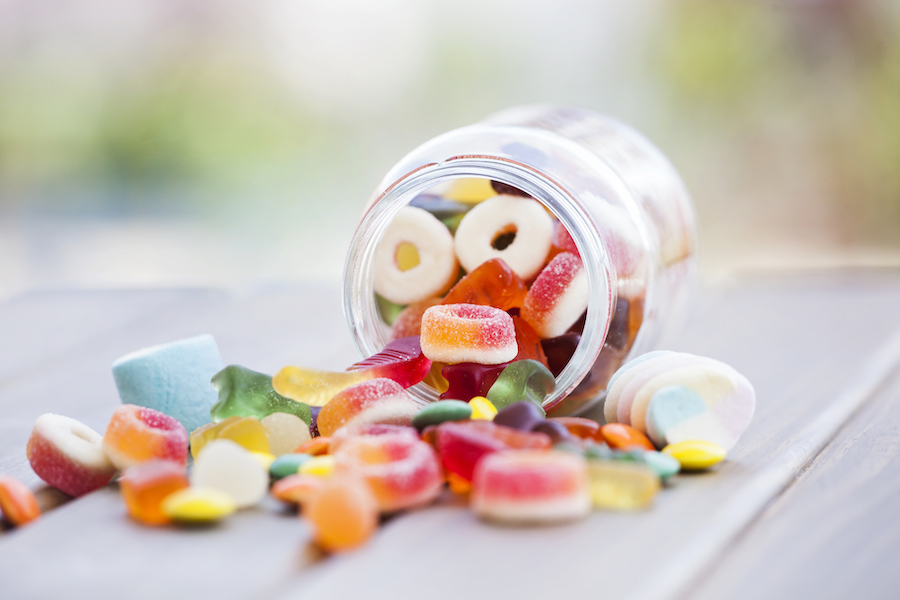
Used to reduce sweetness and inhibit crystallization, they deliver a clean bite and improved mouth-feel in gelled confections; their viscosity supports shape retention and surface gloss.
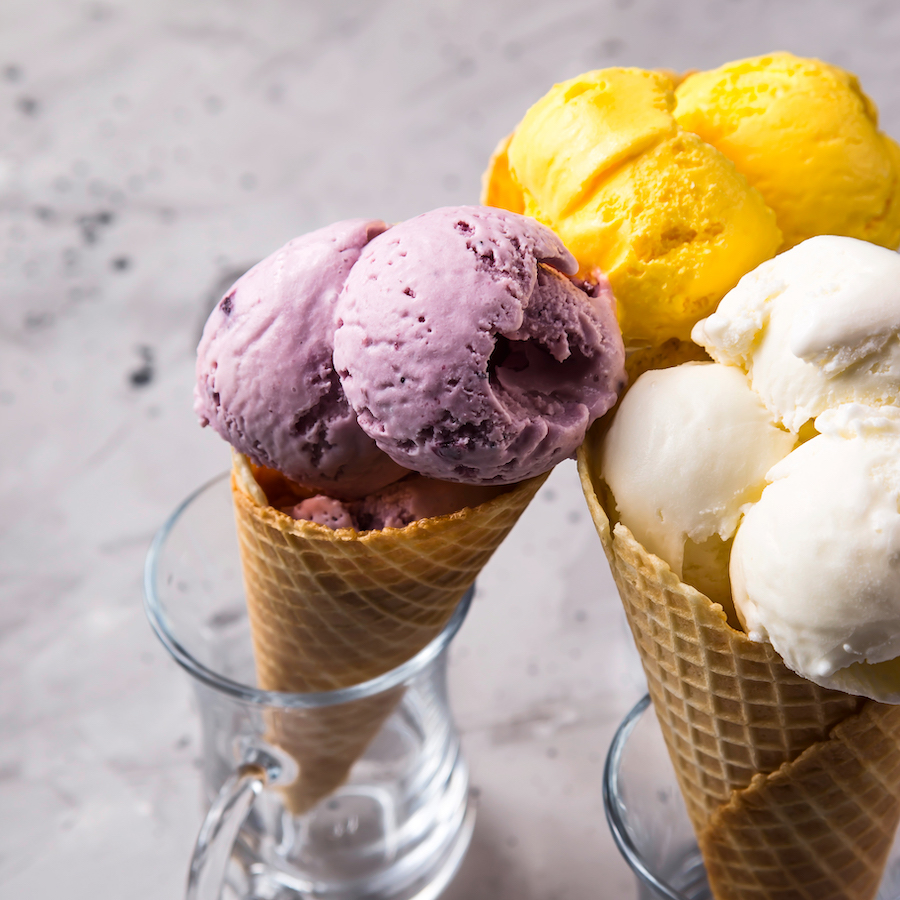
When used in frozen desserts, high maltose syrups moderate sweetness, influence freezing point and contribute to smooth scoopability and creaminess without excessive sweetness.
Product range
Enhance the activity of your final product by choosing the right variant. We provide formulation guidance, sample trials and scale-up support.
Application concepts
- Replace part of sucrose with a high-maltose syrup to lower sweetness while maintaining bulk and texture in Chocolate fillings & enrobing. Expect improved fondant smoothness and reduced surface crystallisation.
- Use high-maltose variants to lower free glucose (reducing hygroscopicity) and to slow recrystallisation. This supports harder, clearer caramels with longer shelf life. Aim for stepwise substitution and pilot trials to balance setting time and color development.
- Incorporate at levels that retain gel strength while reducing sweetness; maltose-rich syrups also improve bite and prevent sugar bloom on cut surfaces. Evaluate gelation system (gelatin, pectin) for compatibility and water activity adjustments.
- Use high-maltose syrup to reduce perceived sweetness and to adjust freezing point in ice cream and overrun behavior for a smoother body. Balance with other solids (milk solids, fat) for desired scoopability.
Formulation insights
How maltose-rich syrups reduce crystallisation without adding sweetness
Maltose is a disaccharide with lower perceived sweetness than sucrose or glucose; when supplied as a concentrated component in a liquid starch-saccharification syrup it contributes bulk, viscosity and a different water-binding behaviour compared with mono- and higher-DE glucose syrups. That combination moderates sweetness, limits free monosaccharide-driven browning and reduces the tendency of sucrose to recrystallise on storage or during cooling. In confectionery this translates to smoother fondants, clearer caramels and firmer gels with improved mouth-feel. Selecting the appropriate AGENABON variant balances maltose level, viscosity and residual glucose to match product texture, shelf-life and colour targets.
- Low DE (up to DE 30) syrups have low content of mono- and disaccharides and show a low level of sweetness. They improve texture and mouthfeel with high viscosity and help to reduce sugar.
- Standard DE glucose syrups (approx. DE 40 to 50) have a moderate sweetness, low browning tendency and can act as crystallization inhibitor.
- High DE syrups (> DE 70) show the highest level of sweetness and are important as carbohydrate/energy source in various food applications.
- Some extra high DE glucose syrups are widely used in beverage industry to provide energy or in fermentation industry as substrate - due to their rather high crystallization tendency in some cases crystalline dextrose is used as stable replacement.
Packaging options

.svg)


We offer a broad range of products and packaging solutions globally. Availability may vary by market due to local requirements. Please contact us to learn more about the options available in your region.