
MAISITA for Food & Beverages


.svg)
.svg)
Native corn starches for texture, binding and process handling
MAISITA is a range of native corn and waxy corn starches for food applications where texture development, water management and controlled process behavior matter. Based on corn raw material, the range supports structure formation, powder performance and application-specific handling across systems such as baking and pudding powders, molding starch for gummies and dry soup mixes.
Native corn starch is valued for its broad functional use in dry and processed food systems. It contributes viscosity, structure and binding while fitting into formulations where a cereal-based starch source, neutral integration into the recipe and reliable behavior during processing are required.
Key Benefits
- Balanced thickening and binding performance supports texture development and process consistency across dry and prepared food systems
- Good water management contributes to controlled viscosity, stable handling and defined product performance in both powder-based and thermally processed applications
- Neutral integration into recipes helps maintain the intended flavour profile and overall product character
- Functional versatility supports use in applications ranging from dessert and bakery-related powder systems to confectionery process applications and dry savory mixes
- Native starch functionality offers broad formulation use where a straightforward starch solution is required and highly modified functionality is not the primary focus

MAISITA supports viscosity development, texture formation and recipe balance in baking and pudding powder systems. In dry blends, it can contribute to predictable thickening and stable preparation behavior while fitting into formulations where corn-based native starch functionality is required.

For starch molding in gummy production, MAISITA can support bed stability, moisture management and process handling. Its functionality is relevant in confectionery systems where mould definition, demoulding behavior and consistent process conditions are important.
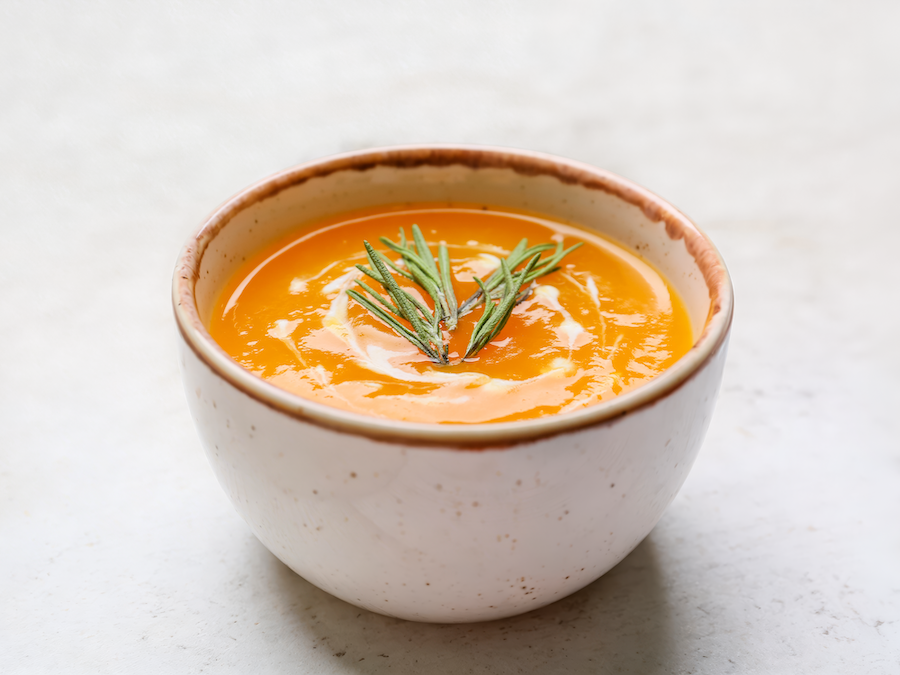
In dry soup mixes, MAISITA contributes body, viscosity and texture development after reconstitution and heating. It can support controlled thickening and a balanced mouthfeel in systems where powder flow, hydration behavior and preparation consistency need to work together reliably.

Waxy corn native starch supports texture stability, process consistency and a balanced mouthfeel in convenience food applications. It can help manage viscosity and structure in formulations where reliable handling and consistent preparation results are important.
In frozen food applications, waxy corn native starch can contribute to texture retention and stable product performance across freeze-thaw conditions. Its functionality supports formulations where process tolerance, water management and consistent eating quality matter.
Product range
Application concepts
Texture development in baking and pudding powders
For baking and pudding powder systems, MAISITA can be considered where controlled viscosity build-up, stable preparation behavior and the intended final texture need to be aligned with the broader dry-mix composition.
Process handling in gummy molding
For molding starch applications in gummy production, MAISITA can support concepts focused on bed functionality, process consistency and reliable handling across repeated confectionery processing cycles.
Balanced body in dry soup mixes
For dry soup mixes, MAISITA can be used in concepts where controlled thickening, defined mouthfeel and dependable reconstitution behavior are needed under standard preparation conditions.
Texture stability in processed food systems
For applications such as convenience food and frozen food, waxy corn starch can support concepts focused on stable viscosity, smooth texture and consistent product performance under demanding processing conditions. Its high amylopectin character makes it particularly relevant where freeze-thaw stability, controlled water management and a stable mouthfeel are important in the final formulation.
Formulation insights
What makes native corn starch effective in dry mixes and confectionery-related processes
In formulation, MAISITA contributes the characteristic functionality of native corn starch through viscosity development, water binding and structure support under thermal preparation. This makes it relevant for food systems where texture generation, handling and controlled process behavior need to work together.
Functional performance, however, always depends on the surrounding matrix. Water availability, solids level, sugar content, shear input, heating profile and residence time all influence how starch functionality is expressed in the final product. This is especially important in pudding systems, dry soup applications and confectionery processes, where both recipe design and process setup directly affect the result.
Which corn starch is most suitable depends on the target process and product profile. Texture, hydration behavior, powder handling, molding performance and final eating quality should therefore be assessed in relation to the full formulation and operating conditions rather than on starch type alone.
Packaging options

.svg)

We offer a broad range of products and packaging solutions globally. Availability may vary by market due to local requirements. Please contact us to learn more about the options available in your region.