Plant heroes rising
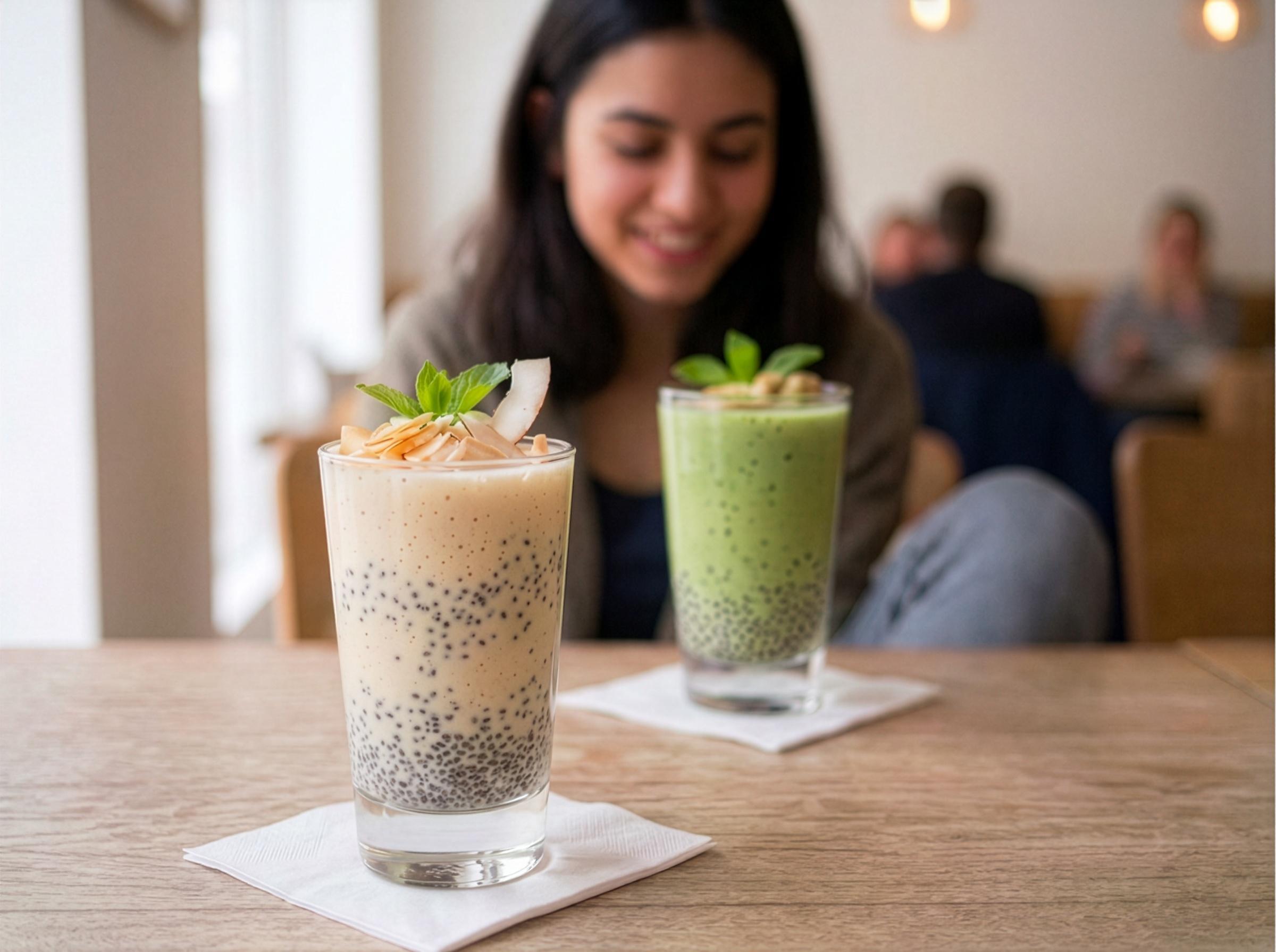
Plant-based based foods are an evolving segment. Since then, the market and the needs of plant-based consumers have developed considerably. Let’s discover what’s new in the alternative protein space:
Alternative proteins
Welcome to the dynamic world of alternative proteins, where investments are rewriting the future of food. According to an analysis performed by the Good Food Institute based on data from PitchBook Data, in 2022 a staggering $2.9 billion was invested globally in this area, fueling 311 deals. Plant-based alternatives took the lead, with $1.2 billion, while fermentation technologies and cultivated proteins secured $842 million and $896 million of funding respectively.
Latest developments in plant-based dairy
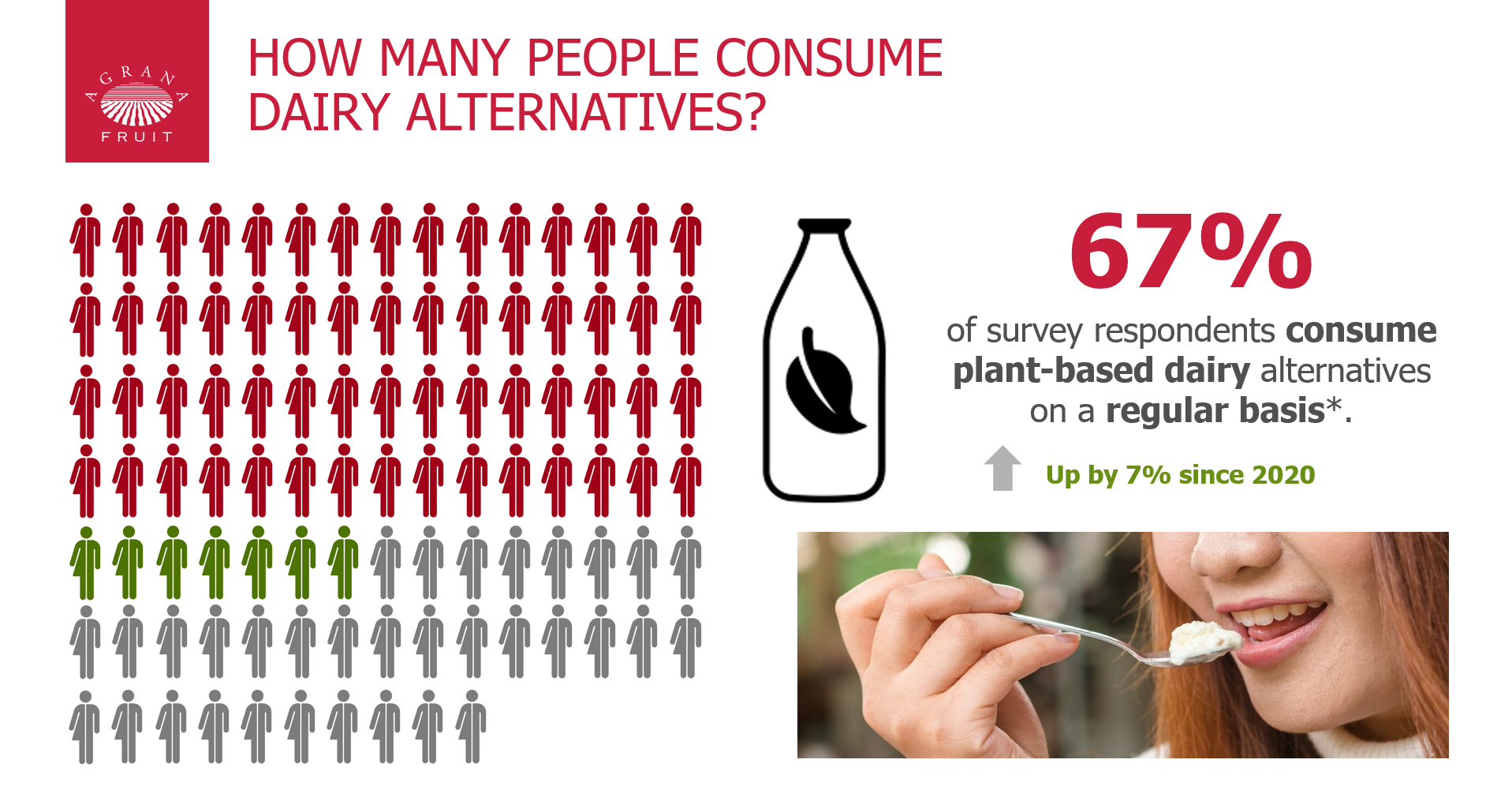
According to Euromonitor International, plant-based dairy is the star of the show, with a global market of more than $21.6 billion in 2022. Although some plant-based dairy categories in the US and Europe experienced a slow-down in growth or a decline from 2021 to 2022, the long-term growth perspective of the sector is positive. Euromonitor International forecasts the plant-based dairy sector globally will reach $31.4 billion in 2027. The main driver of this growth is more widespread adoption of plant-based dairy products among consumers. According to the findings of our study in the US, Australia, Germany, France, and Russia, 67% of consumers regularly eat plant-based dairy alternatives.
The main reasons which make people choose plant-based dairy alternatives haven't changed either. People go for these alternatives mostly because they care about being healthy, perceived nutritional benefits, enjoying the taste, and looking out for the planet's well-being. So, it's all about feeling good and doing good!
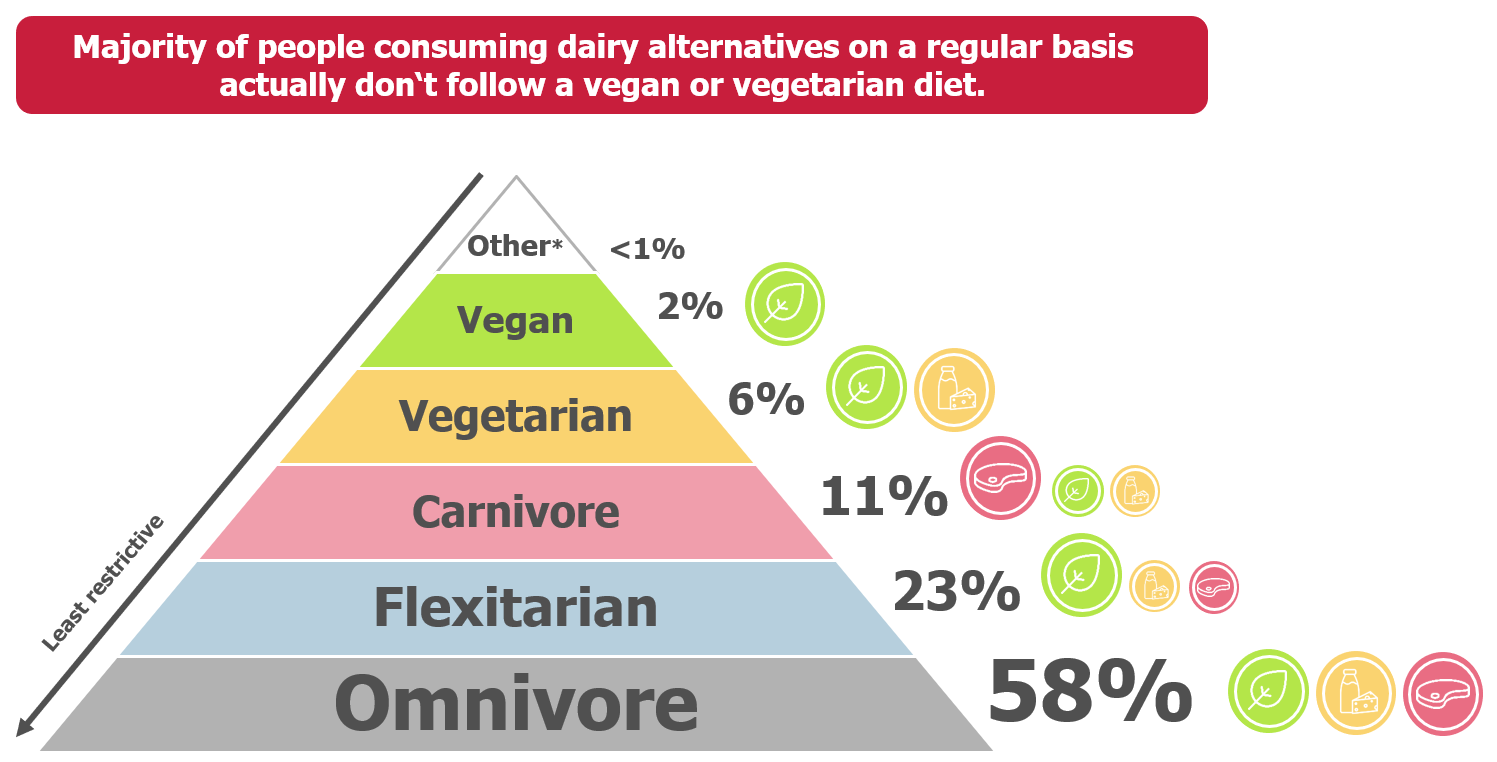
What’s unchanged since our last study is the profile of consumers: only 2% of regular dairy alternative consumers are vegans.
The majority are omnivores or flexitarians incorporating more plant-based foods into their diet, but not necessarily completely switching to plant-based.
Mimicking dairy or stand-alone product?
A key question in the dairy alternative space is whether products should mimic dairy products or be a stand-alone option. Spoiler alert: There is no consensus among consumers on this topic! When exploring with consumers which attributes are important to them, 65% say the products should taste like dairy products; on the other hand, 62% of consumers prefer the alternative products to have the original taste of the plant base used.
What’s the consequence of this? Investments and launch activity for both areas:
Mimicking dairy:
- Precision fermentation: An option to develop dairy-like products with regard to taste, texture, and nutrition profile, but with less environmental impact than traditional dairy production. Sounds intriguing?
- Blends of plant-based sources: Another option we often use in cooperation with our customers is to blend different plant proteins for a better nutritional profile, taste, and texture experience to create unique combinations and blends that stand out from the crowd. 74% of consumers in our study confirmed that they are interested in such blends.
Stand-alone products:
- More diversity in plant-based sources: Although well-established products with soy, oat, almond, or coconut are liked by consumers, we are seeing more and more diversity in plant-based products: chickpea, potato, buckwheat, and rye are just a few of the ‘new kids on the block’. Our portfolio of plant-based products includes many out-of-the-box sources and combinations
- Upcycled ingredients: Beyond just broadening the sources of plant-based products, many companies are opting to use by-products to create new plant-based alternatives made of previously unused materials. Ever thought about fruit pits or kernels for your plant-based milk
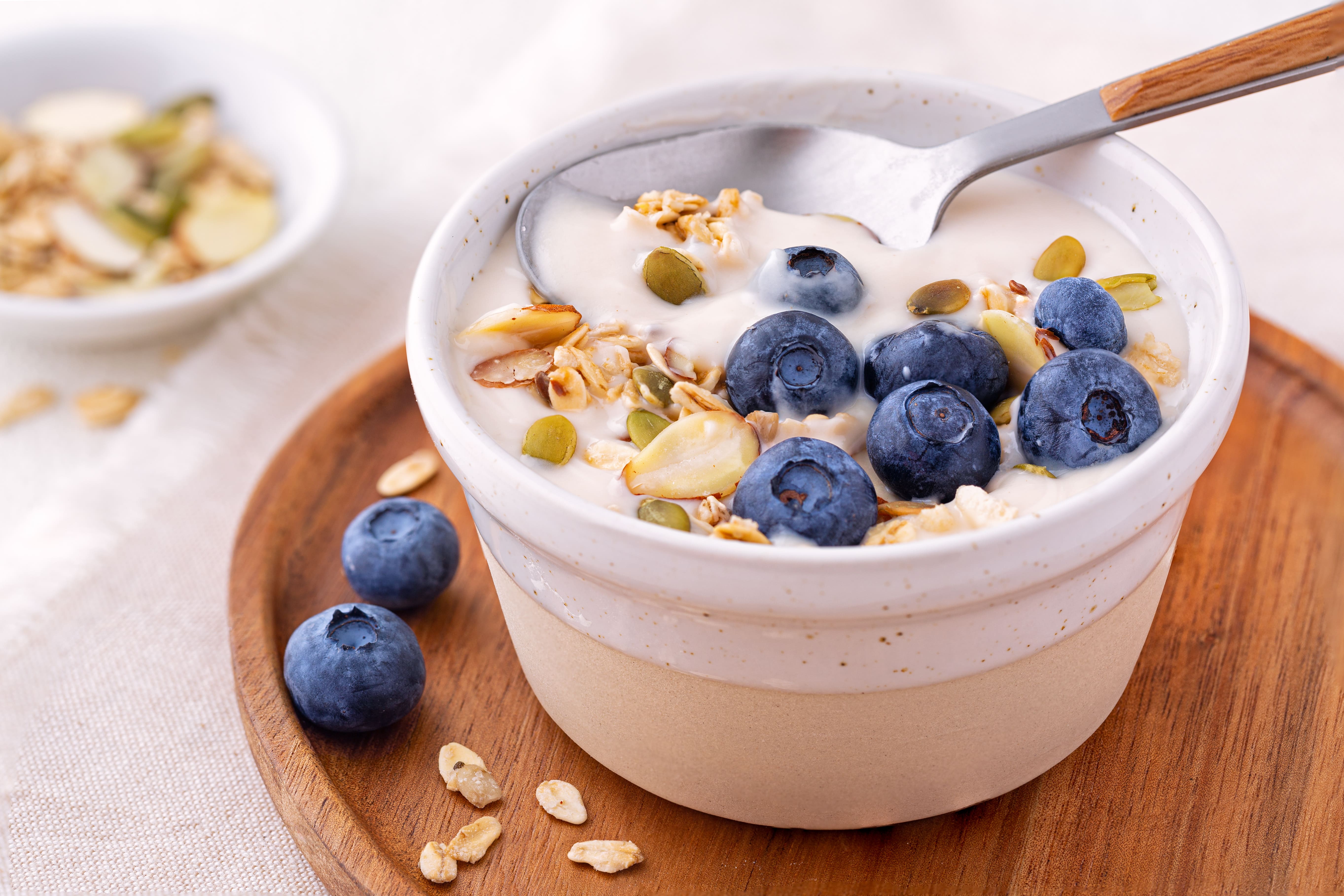
- New product formats: New product formats, such as plant-based kefir, Greek-style yogurt, yogurt smoothies, or desserts, are starting to appear on top of familiar plant-based milk or yogurt products.
Hungry for more?
All sounds interesting to you, but not sure how to tackle the plant-based market yet? Get in touch with us. We are your ideal partner for conquering the plant-based segment. Our product offering includes all preparation types for plant-based products with fruity, brown flavor or functional profiles, but also all-in-one solutions or bases for plant-based alternatives.
Are you ready for a plant-based future? We are! Let’s create the next plant-based consumer favorite together! Check out our solutions below!
Products and Solutions connected to this Trend
Explore our comprehensive range of specialized starches designed for cosmetic and personal care applications. Each product offers unique properties to meet specific formulation needs.
![Cover of “The world of fruits” white paper showing raspberries and blueberries arranged as a bar chart on a purple background with the Agrana Fruit logo. [AI modified]](https://cdn.prod.website-files.com/6916cf15b5ad52ecac5c9b7e/6a98194210687e07b786a1fd_AGRANA_F%26B_Imagery_pack_47_SourceAI.jpg)
![Bowl filled with fresh mixed berries, including strawberries, blueberries, raspberries, and blackberries, viewed from above on a light background. [AI generated]](https://cdn.prod.website-files.com/6916cf15b5ad52ecac5c9b7e/6a98153416d00d06666cda81_AGRANA_F%26B_Imagery_pack_8_SourceAI%20(1).png)